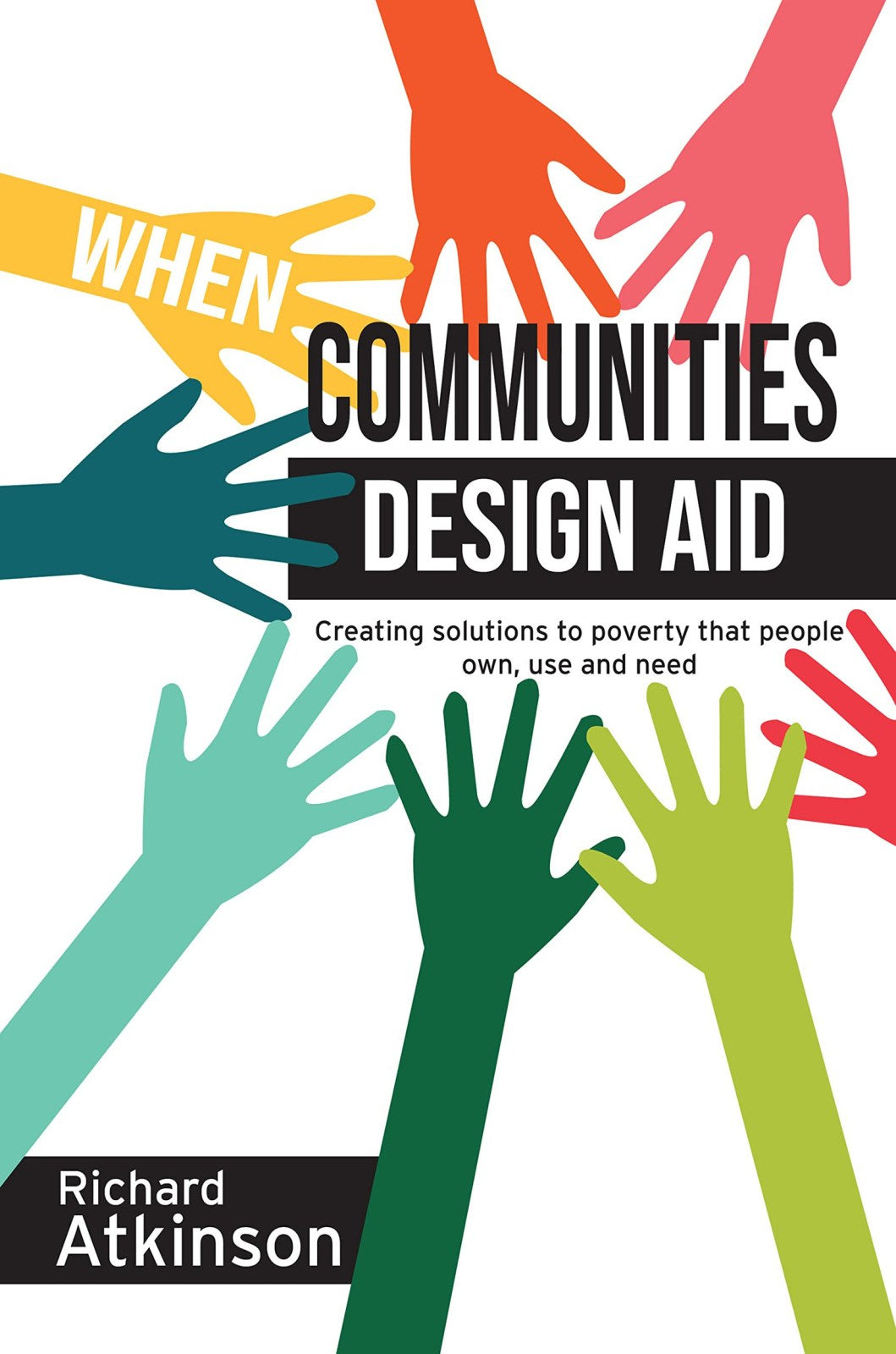
Cover may vary - this is a stock image
When Communities Design AidCreating solutions to poverty that people own, use and need
Format: Hardback
What do the conditions mean?
Our conditions mean the following:
- New - a brand new book
- Almost New - appears new but is actually secondhand.
- Very Good - only minor imperfections such as minor scuffs to edge or cover or a price written in pencil or shop sticker.
- Standard Secondhand - Clearly been read before, but not too bad. We do not recommend these for gifting. Spines usually creased. Could also include creases or folds to cover, some writing such as in the cover or elsewhere, underlining or highlighting, but might not do. Possibly some stains or marks. Similar in general to books in any secondhand shop or charity shop.
- Poor Condition - Usually this will have a specific problem such as writing inside, water damage, missing dust jacket, heavy staining, large creases or cuts. These are readable copies but not nice ones. On other websites this condition is called 'Acceptable' or 'Fair' , but we want to be more honest.
Low stock: 1 left
What does aid look like when it is designed from the perspective of the poorest? The second section of the book explores this question, introducing a number of design principles, including how to create solutions that make use of communal ties, work around discrimination, appreciate the importance of aesthetics and can be learned through experience. Atkinson concludes that we need to accelerate radically the transfer of knowledge, skills and power from outside 'experts' to communities on the ground. Using case studies and theory from past development literature, he traces the challenges involved, but also the clear potential to make development truly community led. His concluding 12 proposals for 'Participative Development Goals' will stimulate debate and action amongst development practitioners, researchers and the organisations interested in developing solutions for the world's poorest communities.


Genre: Business & Economics, Economic History
Format: Hardback
Published: 2022
Pages: 200
Publisher: Practical Action Publishing
ISBN: 9781788531931
Payment method
Condition Descriptions
Our conditions mean the following:
- New - a brand new book
- Almost New - appears new but is actually secondhand.
- Very Good - only minor imperfections such as minor scuffs to edge or cover or a price written in pencil or shop sticker.
- Standard Secondhand - Clearly been read before, but not too bad. We do not recommend these for gifting. Spines usually creased. Could also include creases or folds to cover, some writing such as in the cover or elsewhere, underlining or highlighting, but might not do. Possibly some stains or marks. Similar in general to books in any secondhand shop or charity shop.
- Poor Condition - Usually this will have a specific problem such as writing inside, water damage, missing dust jacket, heavy staining, large creases or cuts. These are readable copies but not nice ones. On other websites this condition is called 'Acceptable' or 'Fair' , but we want to be more honest.
Shipping and Delivery
- Free UK shipping over £10.
- Under £10, shipping is £1.99.
- Express shipping £2.99.
- Choose 10 £1 books for £10 including shipping!
- International shipping available to select countries, proceed to checkout to see prices.
Return
Return books within 14 days if not happy.